Professional Development Grant for Emerging Scholars Studying Poverty, Economic Well-Being, and Early Care and Education Among Hispanic Children and Families
The emerging scholars’ grant program supports professional development activities for doctoral students and early career scholars whose research focuses on poverty, economic well-being, and early care and education (ECE) among Hispanic children and families in households with low incomes. The Center provides awards of up to $2,850 for expenses related to professional development or as seed funds to support research activities. In addition, grantees have the opportunity to participate in professional development and networking events organized by the Center. The Center Center closed the application period on 8/18.
Learn more about the grant program.
Professional Development Grantees
Discover our current and past grantees below.
Fall 2025 Professional Development Grantees (Current cohort)
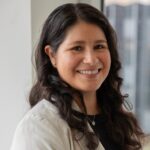 Aida L. Pacheco-Applegate is a PhD candidate in Social Work at the University of Chicago. Her research examines the intersection of early care and education and economic well-being among Hispanic families with low incomes, with attention to access among eligible families, quality, and the workforce that serves them. She will use her funding to purchase materials to support her dissertation research, join professional associations, and attend a professional conference.
 Dr. Andrea Cecilia Buhler-Wassmann is an Assistant Professor in Human Development and Family Studies at the University of Wisconsin-Madison. She is an early childhood development scholar who researches early development, caregiving, stress, and cultural strengths in low-income Hispanic families. She will use her funding to connect with early childhood education organizations across the state and support collaborative data analysis and national dissemination.
 Dr. Andrew Gadaire is an Assistant Professor of Psychological Science at the University of North Carolina at Charlotte. He is a community psychologist who researches how dual language early childhood education programs prepare Hispanic children for positive academic and socio-emotional outcomes. He will use grant funds to cover data access fees and to support his participation in professional conferences.
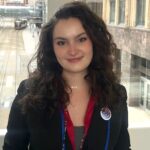 Ashley Boros is a PhD student in Human Development and Family Sciences at The Ohio State University. She is an early childhood development researcher who investigates classroom characteristics and practices that support the school readiness of multilingual children within the Head Start program. She will use her funding to purchase materials to support her research, join professional associations, and participate at a professional conference.
 Giovanni Román-Torres is a PhD candidate in Sociology at the University of Michigan. He is a mixed-methods researcher who investigates the socioeconomic well-being of Latino immigrants across various U.S. immigrant destinations. He will use his funding to support advanced methodological training and attend professional conferences.
 Dr. Karina Santellano is an Assistant Professor of Sociology at Arizona State University. She is an economic wellbeing scholar who studies Hispanic families’ pathways to economic mobility, specifically through small business ownership. She will use her funding to attend and present at professional conferences and purchase research materials.

Miguel Angel Quiñones is a PhD candidate in Family Social Science at the University of Minnesota. He is a qualitative researcher investigating financial socialization and economic decision-making among immigrant-heritage families in the United States. He will use funds to purchase research software, pay for research assistant support, and attend conferences.
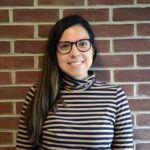 Dr. Nohely Alvarez is a Postdoctoral Associate at Georgetown University Medical Center. She is a health, labor, and well-being scholar who investigates how informal and formal networks support entrepreneurship, collective care, and health outcomes among Hispanic populations. She will use her funding to support participation in training, workshops, and mentorship opportunities, as well as cover software costs.
 Orlando Parrales is a PhD candidate in the School of Social Welfare at the University of California, Berkeley. He is a mixed-methods researcher who investigates Hispanic families’ use of the safety net, their experiences, and their outcomes to mitigate homelessness. He will use his funding to cover research equipment and transcription services.
 Philadelphia Morgan is a third-year PhD student in Education and Human Development at the University of Colorado Denver. She is an early childhood education researcher who examines how educators’ perceptions of children’s second language learning shape instructional practices and support systems, with a focus on settings with dual language learners and Latino children and families. She will use her funding to attend and present at professional conferences, and to support research expenses for her dissertation.
 Dr. Sarah Surrain is an Assistant Professor in Early Childhood, Multilingual, and Special Education at the University of Nevada Las Vegas. She investigates how bilingual development supports children’s learning and well-being, with a focus on parent-delivered language interventions with Hispanic children and families. She will use her funding for project related expenses.
 Steven Herrera Tenorio is a PhD student in Sociology and Demography at the University of California, Berkeley. He is a residential mobility researcher who investigates the socioeconomic outcomes of Hispanic individuals. He will use his funding to attend two quantitative data analysis courses.
 Dr. Vanessa Delgado is an Assistant Professor of Sociology at Washington State University. She is a qualitative scholar who explores the intergenerational effects of Head Start programs on Hispanic families. She will use her funding to support her travel to conduct research activities.
Summer 2024 Grantees

Dr. Mariana Amorim is an assistant professor of sociology at Washington State University. Amorim’s research specializations include family demography, poverty and inequality, and social policies. Amorim used grant funds to help implement community-based participatory research with Hispanic serving organizations in Washington to learn more about the role of safety nets in the lives of Hispanic grandparent caregivers.

Dr. Karla Cordova is a Chau Mellon Postdoctoral Fellow at Pomona College. She earned her PhD in economics from the University of Arizona. With the help of the grant, Cordova funded research projects that focused on the effects of local unemployment shocks on Hispanic children’s academic achievement.
 Vanessa Esquivel is a doctoral student in the Human Development and Family Sciences program at the University of Connecticut and research associate of the UConn Applied Research on Children lab. Esquivel’s research seeks to understand the experiences and immigrant families; increase access to human service programs among eligible families; and improve policies for healthy family development.
 Ashley Rojas is an economics PhD candidate at the University of South Carolina. She attended the APPAM and Southern Economics Association conferences in Washington, D.C., supported by the 2024 Professional Development Grant for Emerging Scholars Studying Poverty and Economic Mobility among Latino Populations.
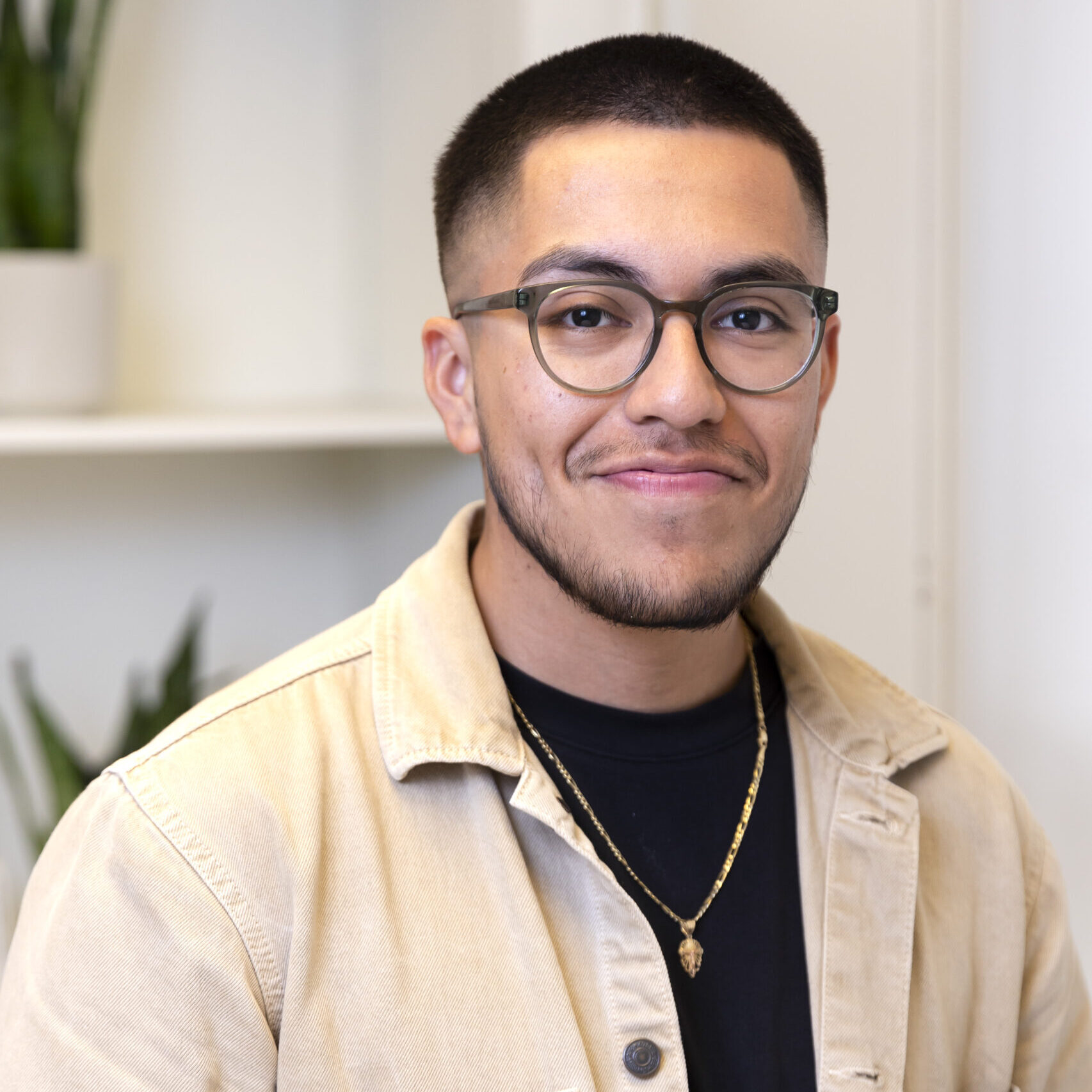
Julio Fernando Salas is a Chancellor’s Fellow and sociology PhD student at the University of California, Berkeley. Salas used the grant to support research costs to undertake quantitative data analysis, purchase professional membership dues and present his work at their conferences, and conduct a study centered on Latino immigrant families.
Winter 2023 Grantees
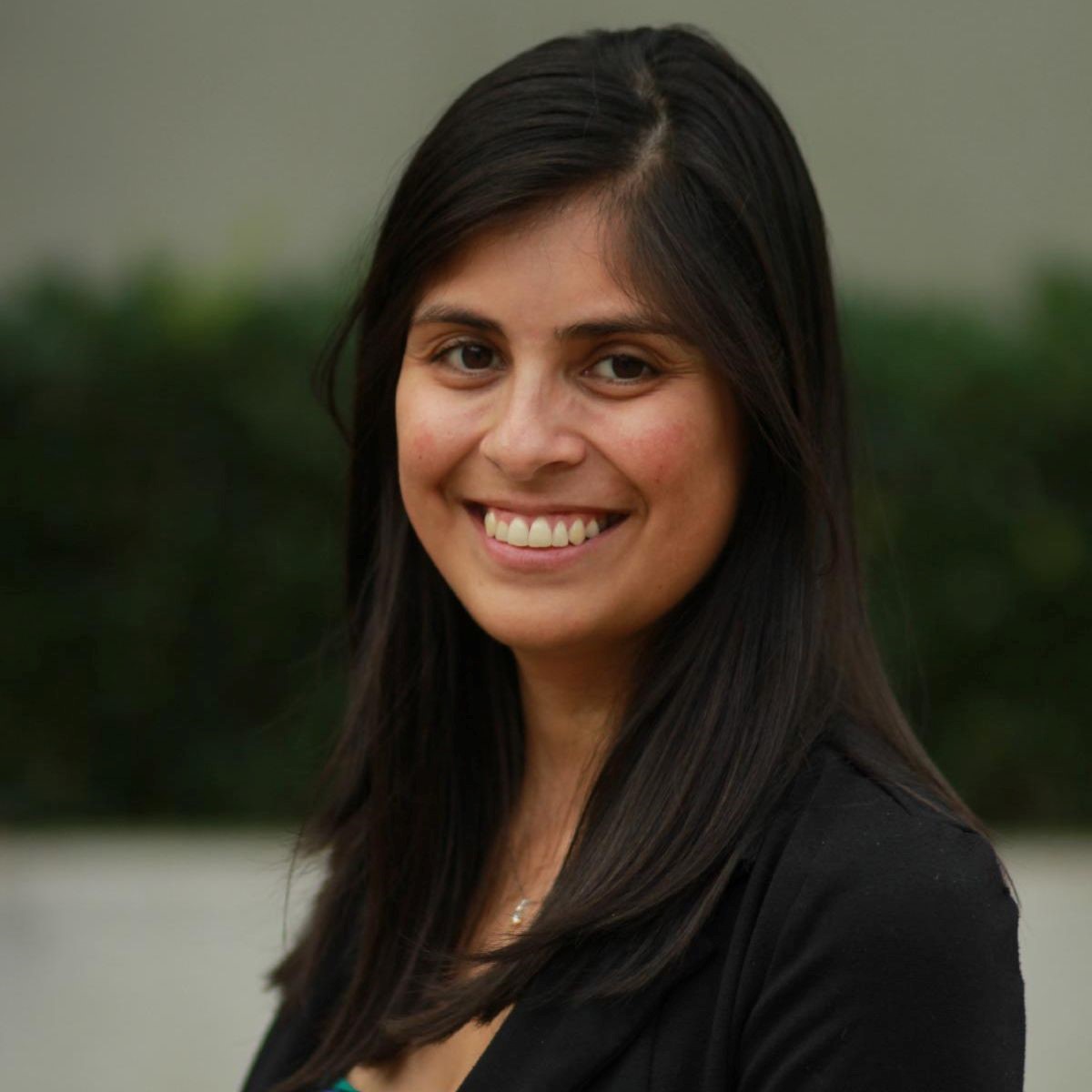 Dr. Guadalupe Díaz Lara is an assistant professor in the Department of Child & Adolescent Studies at California State University, Fullerton. Díaz Lara’s research is focused on connecting research, policy, and practice to understand, elevate, and address factors that influence the educational experiences of children and families, including Hispanic /English learners.
 Dr. Eduardo Gandara is an assistant professor in the Department of Public Health at the University of Texas at San Antonio. Using a socio-ecological approach, Gandara’s research focuses on co-developing and co-implementing skill-building programs with community health workers to help Hispanic families connect with resources across the social determinants of health.
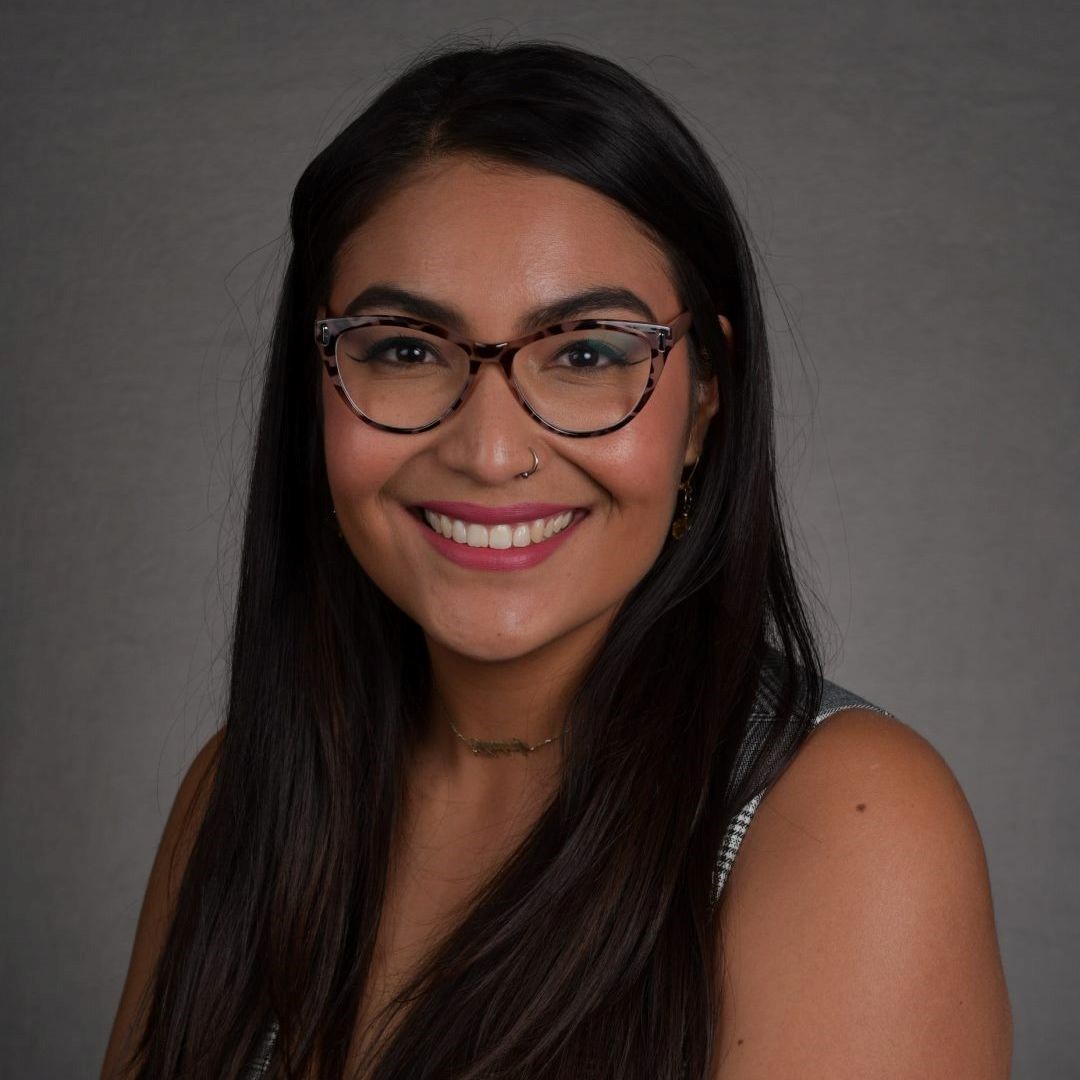 Dr. Kimberly Higuera is an assistant professor of Sociology at California Polytechnic State University, San Luis Obispo. Higuera’s work examines how sending and receiving monetary remittances impacts transnational Mexican family dynamics as well as how remittances can shape the material hardship and well-being of Mexican immigrant families in the United States.
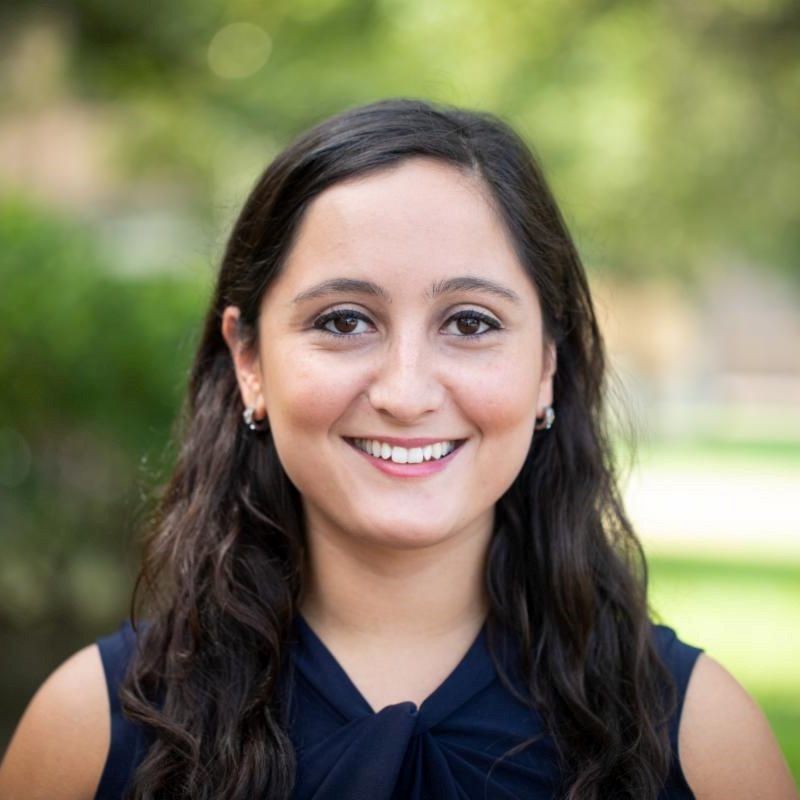 Dr. Tatiana Londoño is an assistant professor of Social Welfare at the University of California Los Angeles. Londoño’s research investigates the mental health and psychosocial well-being of Hispanic youth and families.
Spring 2023 Grantees
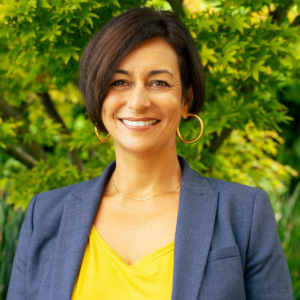
Dr. Kristina Lovato is an assistant professor of social welfare at the University of California, Berkeley. Lovato’s scholarly work focuses on enhancing Latino child and family well-being.
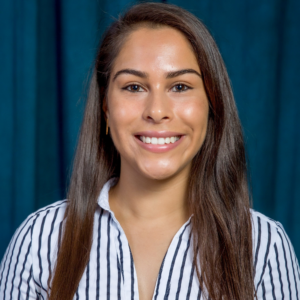
Dr. Mayra Puente is an assistant professor of higher education in the Gevirtz Graduate School of Education at the University of California, Santa Barbara. She earned her Ph.D. in education at UC San Diego and her B.A. in political science at UCLA. Puente’s research focuses on college access, choice, transition, retention, and success for rural Hispanic students.
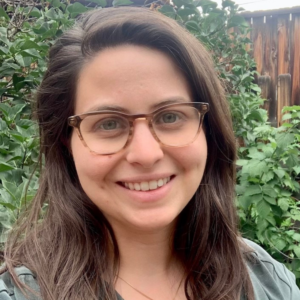
Dr. Marisa Westbrook is an assistant professor in health promotion at the OHSU-PSU School of Public Health at Portland State University. Westbrook’s research focuses on the impacts of the affordable housing crisis on mental health and wellbeing among low-income communities.
2022 Grantees
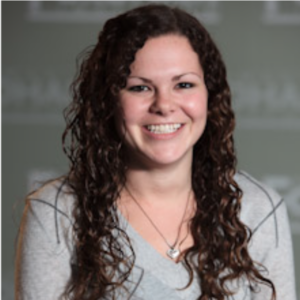
Dr. Gerilyn Slicker is an assistant professor of early childhood education at the University of Nevada, Las Vegas. Slicker’s research interests are in early childhood policy, with a specific focus on investigating and evaluating the influence of federal, state, and local policies on children’s access to early care and education.
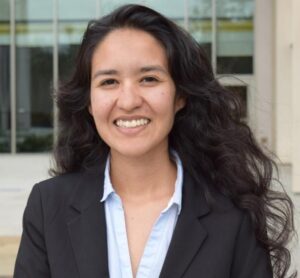
Dr. Carolina Valdivia is an assistant professor in the Department of Criminology, Law, and Society at the University of California, Irvine. Valdivia’s work focuses on the educational trajectories, mental health, and political participation of immigrant youth and their families.
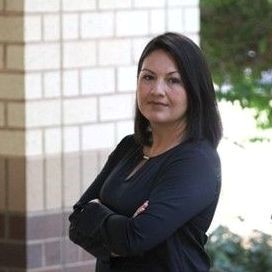
Dr. Irene Vega is an assistant professor of sociology at the University of California, Irvine. Vega’s broad areas of expertise are in Latino sociology, educational inequality, international migration, and sociology of law.
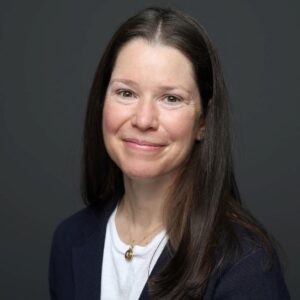
Dr. Cynthia A. Wiltshire is an assistant professor of early childhood education at the University of Texas at El Paso. Wiltshire’s work investigates associations between teacher stress, teacher warmth, and children’s outcomes in cognitive and socioemotional development in early child education classrooms.
Learn More about the Grant
Eligibility
- Applicants must be a PhD student or early career scholar (up to seven years post-PhD) in economics, public policy, sociology, demography, population sciences, or related social science fields.
- Applicants should demonstrate a strong interest in research focused on one or more of the following topics: poverty, economic well-being, the ECE experiences of Hispanic children and families in the United States, the ECE workforce that serves Hispanic children, and the intersection of child care and the economic well-being of Hispanic children and families in households with low incomes. The Center is particularly interested in supporting scholars whose work has direct implications for how programs administered by the Administration for Children and Families—specifically Temporary Assistance for Needy Families (TANF), the Child Care and Development Fund (CCDF), and Head Start—support the needs of Hispanic children and families in households with low incomes.
Specific topics of interest include (but are not restricted to) those listed below:
| Poverty and Economic Well-Being | ECE |
|---|---|
|
|
Please note that this fellowship does not support international research or research focused on K-12 education or higher education.
For more information on TANF, Head Start, and CCDF please visit the Office of Family Assistance, Office of Head Start, and Office of Child Care.
Application requirements
Applications were due 5 p.m. EST on Monday, August 18, 2025, with the following components:
- A letter of interest that describes (in no more than 500 words):
- How the applicant’s research agenda and work support Hispanic families and children, particularly those in households with low incomes.
- The applicant’s interest and experience in research focused on poverty, economic well-being, and/or ECE among Hispanic children and families in households with low incomes.
- A statement describing the relevance of the applicant’s research for policy or practice, especially those related to TANF, CCDF, and/or Head Start, as well as families with low incomes.
- A description of the professional development activities that the grant will support and how they will help advance the applicant’s research career. Describe the extent to which the applicant’s institution provides funds (if at all) for professional development and research activities and how the professional development grant would supplement those funds or fill a gap.
- A budget with the amount of funds requested, including the cost of each activity (can be provided in a table format). Examples of professional development activities that would be covered are: workshops, trainings, or courses; conference-related expenses (e.g., registration, travel, lodging, poster printing); research-related hardware or software (e.g., analysis packages, recorders, laptops/tablets for data collection); database fees; publication expenses (e.g., open access articles); professional association membership dues; and journal subscriptions. Funds cannot be used to cover beverages or meals or to cover research participant incentives. Note: Applicants requesting that funds go through their institution should include overhead expenses in the amount requested (see Frequently Asked Questions).
- Curriculum vitae or resume with information about the applicant’s educational background, publications, presentations, and any other relevant professional or personal experience.
- Proof of current PhD student status or degree conferral such as an unofficial transcript or a copy of the applicant’s diploma for those who have completed their doctoral degree.
Submission guidelines
Applicants were to submit their application materials using this form by 5 p.m. EST on Monday, August 18, 2025. The application period is now closed. Applicants will be notified of award decisions by mid-September 2025.
Evaluation criteria
Upon review for completeness and verification of eligibility, applications will be evaluated according to the following criteria:
- Alignment of applicant’s research experience or interests with research focused on Hispanic families and children, particularly those in households with low incomes.
- Alignment of applicant’s research experience or interests with research focused on poverty, economic well-being, and/or ECE.
- Degree to which the applicant’s research has the potential to inform policies or practices, especially those related to TANF, CCDF, and/or Head Start, as well as families with low incomes.
- Extent to which professional development funds will help advance the applicant’s career, relative to resources available.
Please note that the Center reserves the right to award grants for a lesser amount than requested if certain activities are not aligned with the grant’s goals.
Awards and professional development activities are contingent upon the availability of funds.
Applicants are encouraged to review our Frequently Asked Questions before submission. Please send additional questions to [email protected]. The period for questions will close on August 6. No phone calls please.