The Center’s fellowship program supports early career scholars studying topics related to economic well-being and early care and education (ECE) among Hispanic children and families in households with low incomes. The program provides these scholars with seed research funds, as well as valuable mentoring and professional development experiences.
The application period for the next cohort is now closed. The final date of acceptance for applications was November 21, 2025.
Congratulations to Our Winter 2025 Fellows
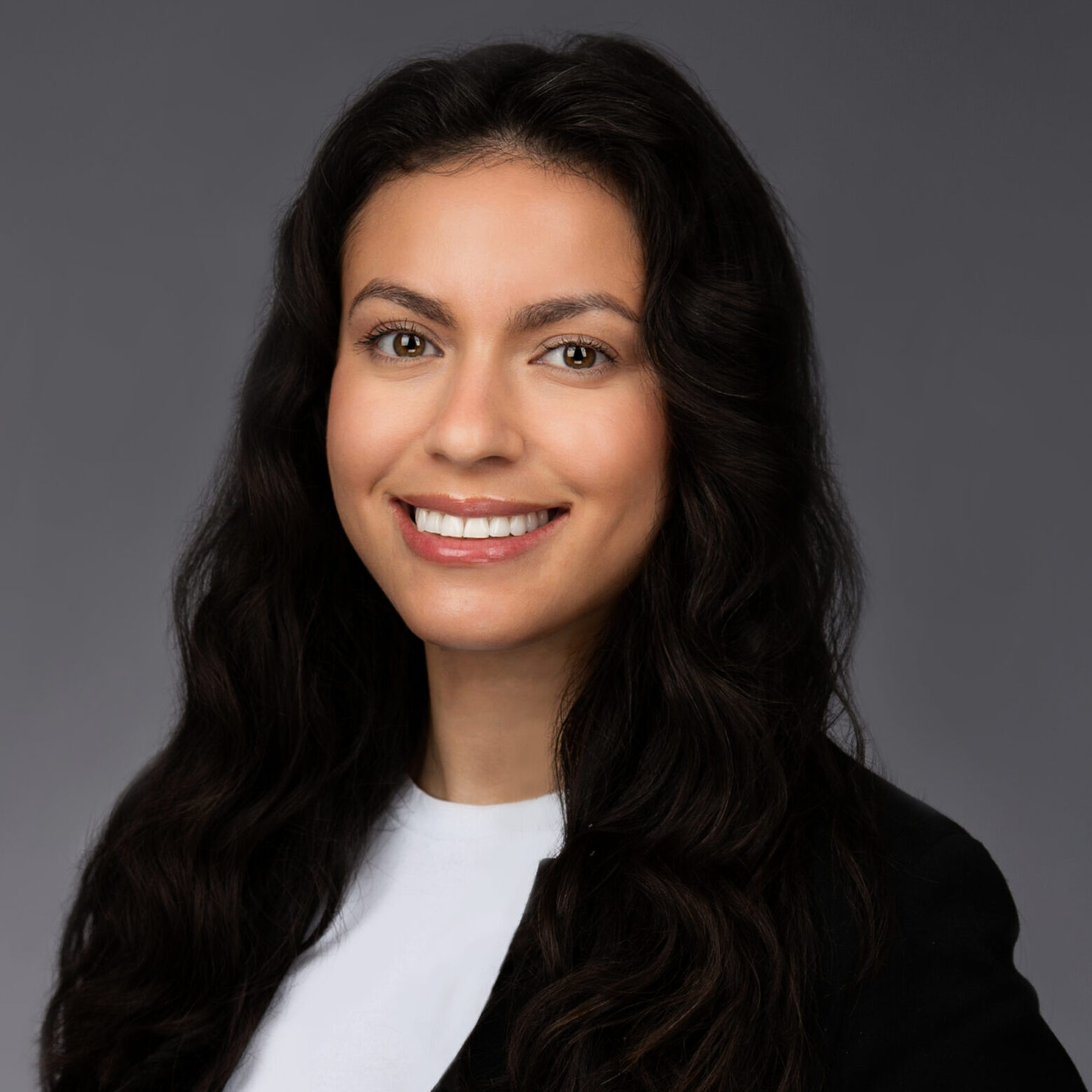
 Wendy Castillo
Dr. Wendy Castillo is an Assistant Professor in Urban Education and Quantitative Methods at the Montclair State University College for Education and Engaged Learning. Her funded project will create data briefs for policymakers, practitioners, and community members that illustrate data indicators for poverty, economic well-being, and the early care and education experiences of children and families.
J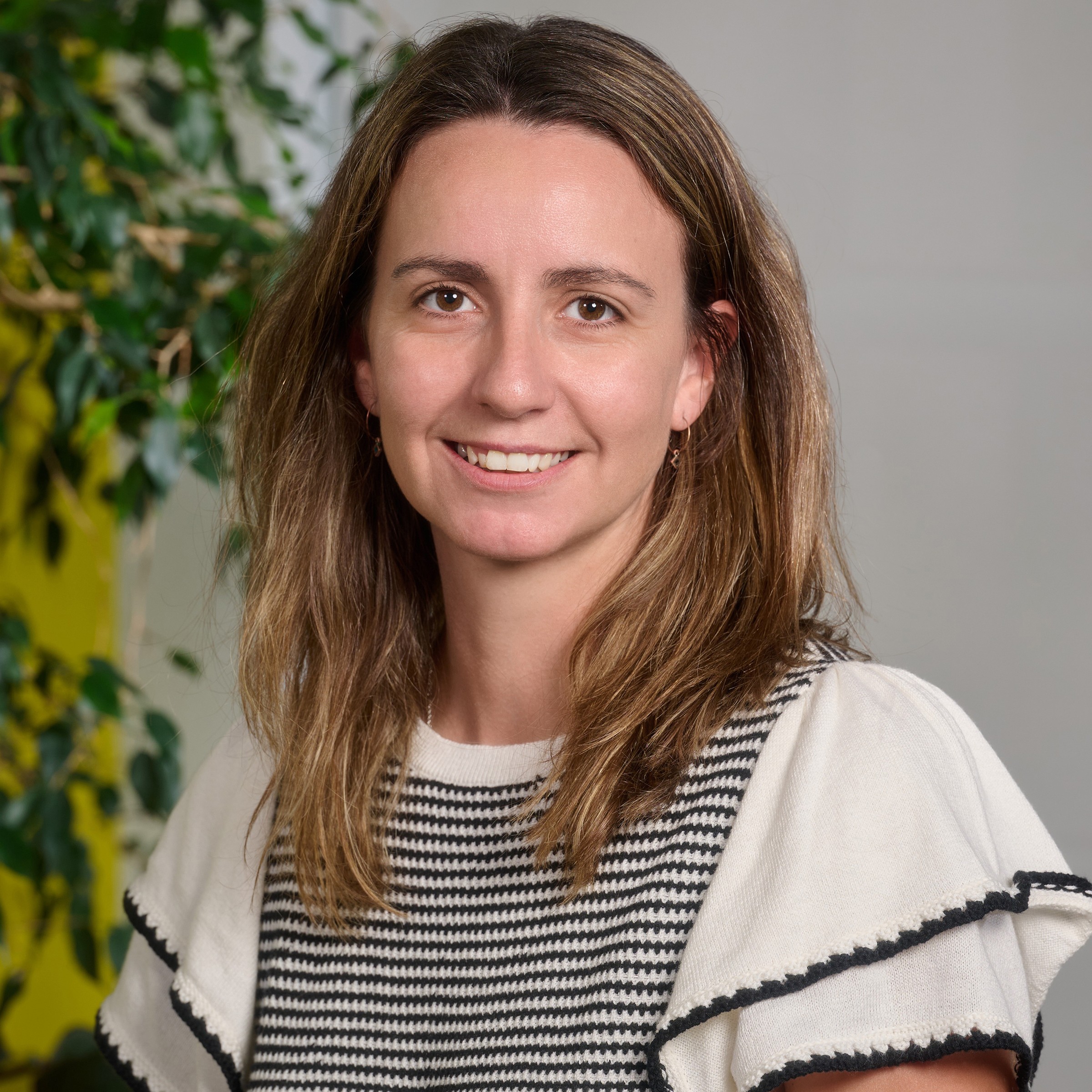 imena Cosso
Dr. Jimena Cosso is an Assistant Professor of Human Development and Quantitative Methodology at the University of Maryland College of Education. Her research will explore how family math practices can inform activities in ECE settings, including Head Start classrooms.
 Qianxia Jiang
Dr. Qianxia Jiang is an Assistant Professor in the Department of Health Sciences at the University of Central Florida. Her fellowship will support a project exploring how affordability and transportation barriers jointly constrain families’ participation in early care and education programs.
 Sungjin Lee
Dr. Sungjin Lee is an Assistant Professor of Public Administration jointly appointed at the School of Public Affairs and SDSU Imperial Valley at San Diego State University. His funded project will explore how the digitalization of the Temporary Assistance for Needy Families (TANF) program influences program participation among families in California.
Program Details
Mentorship: Fellows will work virtually with a mentor who will support their professional development and provide feedback on a research project. Applicants should propose a mentor that can support their professional development goals. Proposed mentors do not need to be from a fellow’s institution or the Center and, ideally, should not be someone from whom the fellow has already received mentorship. The goal of the program is to expand fellows’ networks of mentors and to foster new connections with experts in the field.
Once awarded, mentors and mentees will work together to develop a mentorship plan and outline objectives for the year ahead. The fellowship program might also include opportunities for mentoring and networking at professional conferences.
Professional development, network, and collaboration: Fellows will join the Center’s network and can participate in professional development opportunities that may be offered by the Center. For example, past cohorts have attended quarterly meetings to build skills, engaged with other scholars and leaders in the field, and developed networks and potential collaborations. The fellowship also offers opportunities to highlight fellows’ research through the Center’s dissemination channels, elevating their work and broadening its reach.
Funding: We anticipate funding four fellows in total: two fellows focused on economic well-being and two fellows focused on ECE. Each fellow will receive $7,000 in funds to support their research and professional development activities such as travel to research conferences. In addition, mentors will receive a $2,000 honorarium for their time.
Eligibility Criteria
- Applicants must be non-tenured early career investigators (up to seven years post-Ph.D.) working at a university or research organization. Post-doctoral fellows are not eligible to apply. However, exceptions to the early career status definition (up to seven years post-Ph.D.) can be made (see FAQs).
- Applicants should demonstrate a strong interest in research focused on one or more of the following topics: poverty, economic well-being, the ECE experiences of Hispanic children and families in the United States, the ECE workforce that serves Hispanic children, and the intersection of child care and the economic well-being of Hispanic children and families in households with low incomes. The Center is particularly interested in supporting scholars whose work has direct implications for how programs administered by the Administration for Children and Families—specifically Temporary Assistance for Needy Families (TANF), the Child Care and Development Fund (CCDF), and Head Start—support economic well-being and self-sufficiency of Hispanic children and families in households with low incomes.
Please note that this fellowship does not support international research or research focused on K-12 education or higher education.
For more information on TANF, Head Start, and CCDF, please visit the Office of Head Start, Office of Child Care, and Office of Family Assistance.
Fellowship Responsibilities
Fellows are expected to develop a mentoring plan with their mentors, meet with mentors at least monthly, attend professional development trainings that may be offered by the Center, and use funds for the activities requested.
Application Requirements
The application period is now closed. Applications were due by 5:00 p.m. ET on November 21, 2025, with the following components:
- Application form
- Description of the proposed work (maximum of 1,000 words, excluding references, on institutional letterhead) that includes:
- The applicant’s interest and experience in research focused on poverty, economic well-being, and/or ECE among Hispanic children and families in households with low incomes
- An overview of the research question(s) and relevant literature motivating the proposed project
- A description of the proposed method or approach
- A statement describing the relevance of the proposed work for policy or practice, especially as it related to programs administered by the Administration for Children and Families—specifically Temporary Assistance for Needy Families (TANF), the Child Care and Development Fund (CCDF), and Head Start
- Description of professional development goals and how the fellowship will help advance these goals beyond existing supports available (300 word maximum)
- Name and affiliation of proposed mentor; note that mentors do not need to be affiliated with the Center or the applicant’s institution
- Resume (4 page maximum) with information about the applicant’s educational background, publications, presentations, and any professional or public policy experience relevant to the work of the Center
- Proof of degree conferral such as an unofficial transcript or a copy of the applicant’s diploma to show proof of doctoral degree completion
- General budget describing how the funds will be used. Examples of allowable expenses include travel to data collection sites (mileage, air travel, per diem, hotel), equipment, payment for research assistants, and analysis software. Funds cannot be used to purchase food or beverages, or to cover participant incentives. All funds for this fellowship must be used in accordance with applicable Executive Orders, HHS Grants Policy Statement, ACF Federal Fiscal Year 2025 Terms and Conditions, and ACF Letter RE: EO14218.
Evaluation Criteria
Upon initial screening for completeness, applications will be evaluated according to the following criteria:
- Scholar’s experience conducting research focused on poverty, economic well-being, and/or ECE among Hispanic children and families in households with low incomes
- Degree to which applicant’s proposed project applies innovative frameworks, methods, or approaches to advance research focused on Hispanic children and families and their experiences related to economic well-being and/or ECE
- Degree to which the applicant’s proposed project has the potential to inform policies or practices, especially those related to TANF, Head Start, and/or CCDF
- Professional development goals and the scholar’s potential to benefit from the fellowship, relative to resources available
Note that funding will be limited to scholars whose research focuses on, or has relevance to, Hispanic families and children in low-income households.
Applicants will be notified about the review decision by early December. Awards and professional development activities are contingent upon the availability of funds.
How to Apply
Please complete your application here. Applicants should review the FAQs before preparing their applications.
If you have any issues with the online submission process, please email your application materials to [email protected] with “Hispanic Center Fellowship Program” in the subject line. Applications submitted after the deadline will not be considered.
Contact Information and Questions
For additional program information, you can also reference the program’s FAQs. You may also contact [email protected] with “Hispanic Center Fellowship Program” in the subject line. Questions about the application or the program were accepted through 5 p.m. ET on November 12.